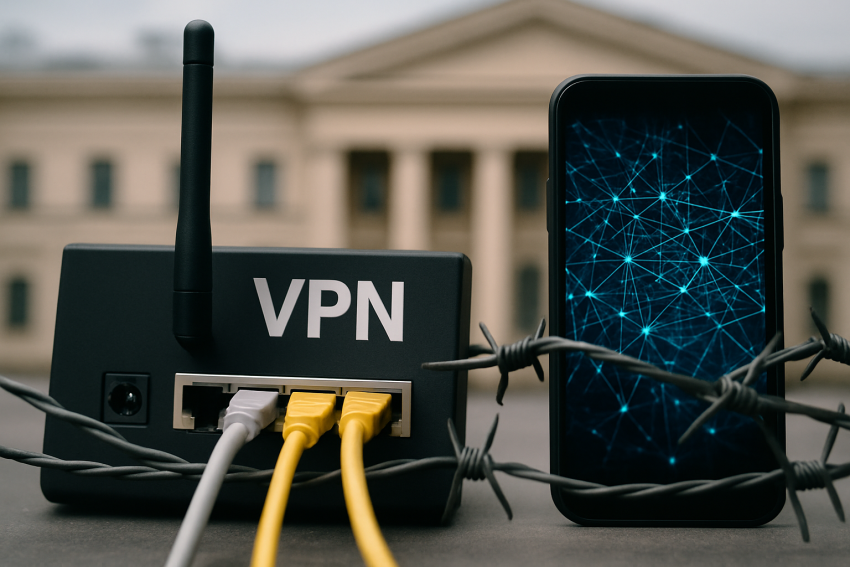
russia vpn crackdown: Meduza reported that Russia’s August move to crack down on VPN services drew on data those apps had already collected from their users. The report links government enforcement outcomes to information gathered by domestic applications, a fact that has several potential consequences for individuals, the market for privacy tools, app development practices, and regional access to the open internet.
What the Meduza report says and why it matters: russia vpn crackdown
According to Meduza, the August enforcement against VPN services was informed by datasets compiled by apps already installed on users’ devices. That single factual claim — that app-collected data fed the crackdown — suggests risks and downstream effects even if full technical or legal details remain unconfirmed in public sources. For russia vpn crackdown, the key point is what the available source material confirms and what remains uncertain.
- Immediate privacy exposure for users. If enforcement used data from apps, people who believed VPNs or other safeguards protected them may find their activity traceable through a separate data source. That can increase the likelihood of targeted enforcement, social or legal consequences for users, or unwanted disclosure of sensitive behavior.
- Trust erosion for app ecosystems. Users may lose confidence in domestic apps if those apps’ telemetry can be repurposed for enforcement. Lower trust can suppress app usage, prompt mass uninstalls, or push users toward foreign software or offline alternatives.
- Market pressure on VPN providers and developers. VPN services could see renewed demand from users seeking stronger anonymity, but they may also face heightened blocking efforts or legal constraints. App developers might tighten or change data collection practices to avoid entanglement with enforcement, affecting analytics and monetization.
Consequences for people, the market and the region
For individuals and vulnerable groups
- Greater risk of identification: Users whose behavior is logged by apps face increased risk if that data can be correlated with VPN-related network patterns or other identifiers.
- Chilling effects on expression and use: Concern over data reuse may reduce online participation, hamper access to information, and deter use of health, financial, or civic apps among those fearing scrutiny.
- Unequal impact: People who rely on VPNs for safety — activists, journalists, or minority communities — could face disproportionately severe consequences if app data undermines protections.
For the VPN and privacy market
- Demand and supply shifts: The perception that apps can expose users may boost short-term demand for robust VPNs, but sustained enforcement could raise operational risks for providers, pushing some out of the market.
- Technical arms race: Providers may invest more in obfuscation, push for hardened protocols, or seek jurisdictions with stronger legal safeguards, increasing service costs and fragmenting the market.
- Business model changes: App developers that previously relied on broad telemetry for analytics and targeted advertising may need to alter data collection to rebuild user trust, affecting revenue streams.
For app developers and the software industry
- Compliance and liability concerns: Developers may face new scrutiny over what data they collect and how it might be used by authorities. Some could reduce telemetry or improve transparency; others may be pressured to cooperate, depending on legal incentives or threats.
- Product design trade-offs: Reducing data collection to protect users can limit features that rely on analytics, while continued collection risks regulatory entanglement and reputational damage.
Uncertainties, verification limits, and reporting status
- The central element of this article — that the crackdown used app-collected data — is reported by Meduza and represented here as that report states. Public, technical, or legal confirmation of exactly which datasets were used, how they were linked to VPN usage, or the parties involved is not provided in the single source in this cluster.
- Because the underlying technical evidence and the identities of the apps or datasets are not detailed in the available summary, specific legal or operational attributions would be speculative. Readers should treat downstream scenarios as plausible consequences rather than documented outcomes.
What to watch next
- Independent technical analysis or court records that identify the datasets and methods used would clarify the scale of exposure.
- Responses from app developers, VPN providers, and regulatory bodies can indicate whether data-collection practices will change and how the market will adjust.
- User behavior trends — such as shifts in app installs, VPN subscriptions, or search interest — will show whether fears translate into concrete market movement.
Practical implications for affected groups
- Individuals should review app permissions and data-sharing settings and consider privacy hygiene appropriate to their risk level.
- VPN providers and app developers should assess legal exposure, consider transparency measures, and evaluate technical steps that reduce the risk of telemetry being repurposed.
- Policy observers and human-rights organizations should press for clear disclosures and independent verification to understand whether enforcement practices create systemic privacy harms.
This article summarizes the reported connection between domestic app data and enforcement; it centers consequences and uncertainties while relying on the Meduza report as the available source.