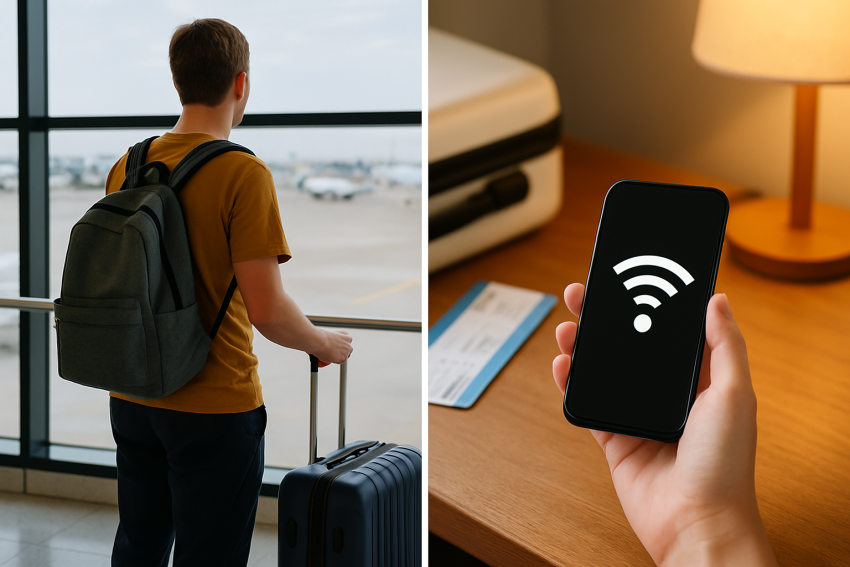
eSIM Tanzania coverage from Heise appears to focus on comparing eSIM tariffs for visitors and mentions travel software such as VPNs for anonymized browsing on public Wi‑Fi. Based on that reported guide, the likely consequences for people, the market and the region deserve attention.
Immediate consequences for travelers and tourists: eSIM Tanzania
- Easier short‑term connectivity: The Heise piece compares eSIM tariffs for Tanzania, which implies travelers can buy mobile data before arrival. This may reduce the need to queue for physical SIM cards on arrival and can change travel preparation habits.
- Cost transparency and choice: A published comparison can make price and data options clearer for visitors. That transparency may benefit travelers who shop online for the best short‑term plan rather than relying on on‑site vendors.
- Security guidance via software tools: The Heise summary explicitly mentions VPN providers as useful for anonymized browsing on public WLANs such as airports and hotels. Travelers who follow that advice may be more likely to use VPNs when connecting to unsecured networks, affecting individual privacy and risk exposure.
Potential market and industry consequences
Competition and distribution channels
- Local brick‑and‑mortar SIM vendors and airport kiosks may face competitive pressure if more visitors purchase eSIM plans in advance. This could shift distribution from physical outlets to digital channels, with consequences for vendors that rely on walk‑in sales.
- Mobile operators that support eSIM activation for visitors may gain direct access to short‑term revenue streams, while those without streamlined eSIM offerings could lose out to international eSIM resellers.
Pricing and product packaging
- Public comparisons of eSIM Tanzania tariffs could push providers toward clearer, more competitive short‑stay packages. Over time, this transparency may force adjustments in pricing or bundling focused on tourists and short‑term visitors.
Regional and policy implications
- If eSIM adoption among visitors rises, regulators and operators in Tanzania may need to reassess registration, taxation, and fraud‑prevention approaches tied to digital SIM provisioning. The Heise guide does not report on regulatory reactions, so these are logical possibilities rather than reported facts.
Security and consumer protection consequences
- Heise recommends VPNs for anonymized browsing on public WLANs. Widespread adoption of this advice could reduce some immediate privacy risks for individual users but also increase demand for reputable VPN services.
- The emphasis on VPNs highlights an ongoing consumer protection issue: public Wi‑Fi at airports and hotels remains a common vector for interception or credential theft, and advice to use privacy tools signals a continued need for secure onboarding and consumer education.
Who is affected and how
- Travelers: More convenient access to data and clearer price comparisons may cut costs and planning friction, but travelers must still decide on security practices such as VPN use.
- Local retailers and kiosks: Potentially reduced foot traffic and SIM sales to visitors could impact revenues and employment tied to tourist hotspots.
- Mobile operators: Those who can rapidly provision eSIMs to visitors may capture short‑term market share; others may face lost opportunities.
- Regulators and policy makers: A shift toward remote eSIM activation can raise questions about registration, identity checks, and taxation.
Uncertainties and limits to the evidence
- The analysis above is grounded in a Heise download special cited via the Bing News listing; the cluster provides only a short summary of that guide. The source confirms a tariff comparison for eSIM Tanzania and mentions VPNs as travel tools, but it does not provide operator statements, market data, or regulatory responses. Where broader industry or regional consequences are described, those are reasoned implications rather than reported facts.
Practical takeaways for readers
- If you plan to visit Tanzania, check eSIM Tanzania comparisons before travel to weigh price and data options; consider using a VPN on public Wi‑Fi as recommended in the Heise guide.
- Local vendors and operators should monitor visitor buying patterns for eSIMs and consider how digital distribution could change short‑term revenue and customer service demands.
Source: Heise Download special (as listed by Bing News); article summary notes a comparison of eSIM tariffs for Tanzania and suggests VPNs for anonymized browsing on public WLANs.