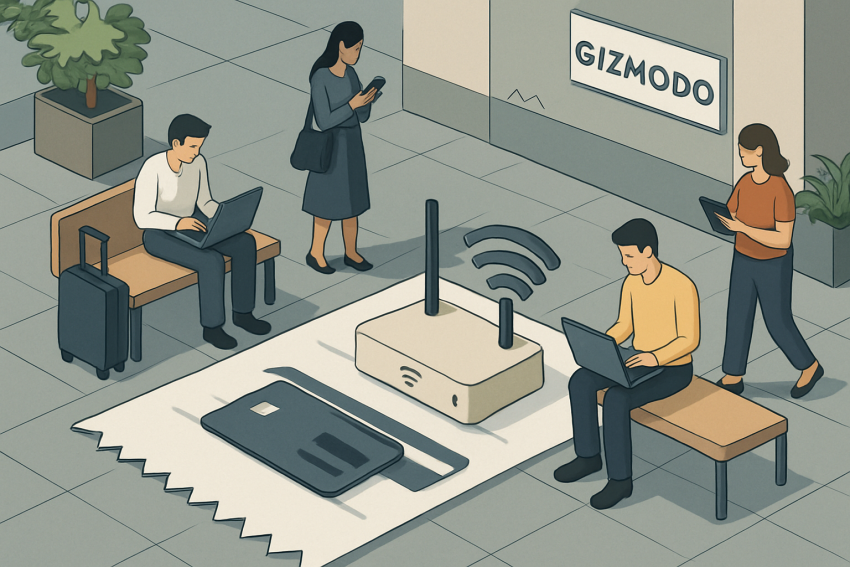
The core claim in the cluster is clear: a Gizmodo article headlined "Your Free VPN Is the Leak" also highlights a NordVPN promotion listed at $3.49/month with three extra months. This piece examines what is actually confirmed, what is asserted or implied, and what remains unverified about that report. For NordVPN deal, the key point is what the available source material confirms and what remains uncertain.
What is confirmed about the NordVPN deal and the report
- A news headline published via Google News references a Gizmodo story that pairs two claims: a warning about free VPNs and a NordVPN subscription offer priced at $3.49 per month with three extra months attached.
- The immediate, verifiable facts from the RSS cluster are the headline text and the promotional price as presented in that headline summary. The existence of the Gizmodo item in Google News is also confirmed by the feed metadata.
What is not confirmed or remains an assumption
- Technical leak claims: The headline's phrase "Your Free VPN Is the Leak" implies free VPN services may expose user data. The RSS item does not provide technical evidence, testing results, or details about which services (if any) were tested. The claim is reported by Gizmodo but the feed does not include supporting data.
- Scope and scale: The headline does not say whether a systematic study supports the leakage claim, whether specific free VPN apps or providers were involved, or how many users might be affected. Those details are not present in the RSS cluster and should not be inferred.
- NordVPN's role: The inclusion of a NordVPN price in the same headline shows the article pairs a commercial offer with the leak warning, but the feed does not indicate that NordVPN itself is implicated in leaking data. Treating the vendor as responsible would be an assumption without more text from the original story.
Why these distinctions matter
- Headlines often combine multiple points to attract attention; a price offer and a security concern appearing together do not automatically mean they are causally linked.
- Without the full Gizmodo piece or primary evidence (technical logs, vendor statements, or independent tests), claims about data exposure remain unverified.
How to verify the claims independently
- Read the full Gizmodo article referenced in the Google News feed to check whether the story cites original tests, third-party research, vendor comments, or regulatory filings.
- Look for primary sources cited by the article: security researchers, published test results, or company statements from the VPN providers mentioned.
- Check NordVPN's official channels for any promotion details and for a response if the article names the company in connection with leaks.
- Seek corroboration from other reputable outlets or independent security researchers before treating the leak statement as established.
Practical implications for readers
- If you currently use a free VPN, the headline is a prompt to check the source material rather than an immediate cause for panic. Verify whether your specific provider is discussed in the underlying article.
- The reported NordVPN promotion ($3.49/mo with three extra months) is a factual element of the headline; if you are evaluating paid options, confirm the offer directly on the vendor's site before purchasing.
Bottom line: how important is this news?
- The news is potentially important because it touches on user privacy and choices between free and paid VPN services. However, based solely on the RSS headline and summary, the seriousness of any leak claim cannot be established.
- The verified elements — the existence of the Gizmodo headline and the promotional price point — matter, but technical conclusions about leaks require the article's full content or independent verification.
If you follow up, prioritize reading the original Gizmodo piece, check for direct evidence cited there, and look for confirmation from security researchers or the VPN vendors themselves before changing behavior based on the headline alone. For NordVPN deal, the key point is what the available source material confirms and what remains uncertain.